Showing posts with label florida real estate agent tampa. Show all posts

Friday, December 7, 2018

Midtown Tampa & Real Estate

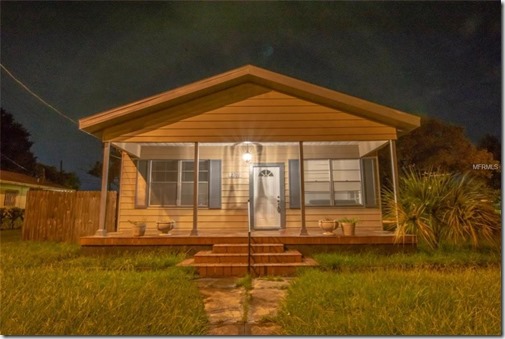
Guess what Buyers and Investors?! There is a new property on the market located at, 2701 W Cordelia Street, Tampa, FL 33607. It is the perfect 3 bedroom, 1.5 bath home for a first time homeowner or savvy investor. Located on a corner lot, this home boasts a spacious 1,352 square-feet of living space. In addition to a large front porch, this home has been completely renovated.

Cordelia

Large Bungalow Front Porch

 night
  Night Time Glow


2701 W Cordelia Street is the perfect location! Capaz Park is directly across the street. It is also minutes away from the Tampa International Airport, I-275, the International Plaza and a number of authentic restaurants and local shopping amenities. This home would be one of the best options for its first-time homeowner(s) or an Air BnB investor enthusiast. The soon coming Midtown Tampa, (I-275 and N. Dale Mabry Highway) will be a major bonus that will add to the appeal and value of this home’s location.  
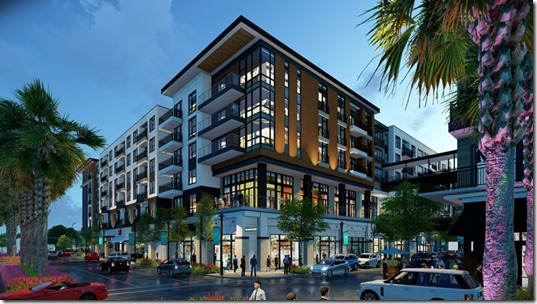
 

Midtown


Midtown Tampa is expected to be complete in 2020 and will be one of Tampa’s biggest developments. The impressive 1.8 million square-foot project will help link downtown Tampa with the city’s Westshore area. The entertainment development will include a 390-unit Crescent Communities apartment complex, 48,000-square-foot Whole Foods Market, two boutique hotels and more than 200,000 square feet of retail, restaurants, entertainment, fitness, and other outdoor activities.

Midtown2

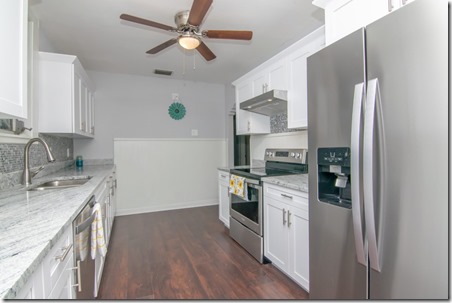
Midtown Tampa’s entertainment district is just an incentive for purchasing this beautifully, renovated bungalow. Historically charming bungalows are well-known in the Tampa Bay area. The new owner will own a piece of Tampa’s history. This bungalow has been fully renovated with laminate wood flooring and tile throughout, sleek stainless-steel appliances, lovely architectural details, a warm interior color motif and a big backyard for entertaining family and friends.
 
                  06ac273dc1e41f0665fc2a5acc097163e0514c3e-5

Updated Kitchen w/Sleek Stainless Steel

06ac273dc1e41f0665fc2a5acc097163e0514c3e-2

Spacious Family/Dining Room Combo

yard

Large Backyard for Entertaining


If you are looking to be close to Midtown Tampa or wanting to secure a one of a kind house like 2701 W Cordelia Street, call us today. This home is awaiting its new Buyer(s) to make it feel like home and to make it your own! Do not miss your opportunity!  Call 813-419-7009 to schedule your private viewing today or visit www.gloriawalters.com for more information!

Gloria-Walters-5CroppedCRR Logo

Tuesday, August 12, 2014

International Buyers Finding Homes in US

10603_Cobham_Wood_Court (28)

Dr. Jerry D Parrish, a chief economist, wrote this article which chiefly outlines the purchases of property made in Florida by international buyers. Florida has been, is, and will continue to be in the future an attractive place for the real estate industry. The article stipulates that the buyers are coming from mainly Western Europe and Britain, with a sizable number also coming from South/ Latin America and Canada.

Chinese buyers are also present. Sales have been gradually increasing since 2008. International buyers are important to Florida's economy, and a forecast of around 60,000 purchases of property in Florida made by international buyers is made by Parrish. Parrish conjectures that the strong property rights in Florida are spurring more and more international buyers, as well as the strong tourism industry.

Wednesday, November 13, 2013

Invest in Dade City, Florida.

39421 Zenith Avenue

Click Here to View Property Video!

Only $29,900!!! 39421 Zenith Avenue, Dade City! Such a beautiful city that boasts so many hills and valleys with lush grasslands. Rural, yes indeed. Great place to live if you want to get away from the big city. About 40 miles from Tampa, this property is still located in close proximity to a major city. A medium rehab project, this property boasts two bedrooms and one bath. It also includes a separate laundry/utility room. The backyard is nice sized for family activities. The roof was replaced in 2003. Call 813-419-7009 or email info@gloriawalters.com today to get more information and make an offer.

Wednesday, September 25, 2013

House Flipping Opportunities are Back!

House: before and after

After the market declined, many investors found it very difficult to find flipping opportunities. Since home values had reduced by over 50% in many markets, investors were forced to rent their properties until the right time to sell returned.

ATTENTION Investors, release the property managers and hire me as your Realtor. Resale property inventory is extremely low and eager homes buyers are jumping at the chance to snatch turn-key homes within the first few days of being listed. Not only can you sell your rental inventory, there is still an opportunity to purchase distressed, fixer uppers at low price points, and remodel to sell at higher price points. Yes, that scenario I just explained is called Flipping.

Flipping is back. Only for a limited time, so take advantage while it lasts.

Sunday, September 1, 2013

Renters say Homeownership a Top Priority

WASHINGTON – July 26, 2013 – Americans overwhelmingly believe homeownership is a good financial decision, and a majority of renters say homeownership is one of their highest priorities for the future, according to the National Association of Realtors® (NAR)’s 2013 National Housing Pulse Survey.


The survey found that renters are thinking more about purchasing a home now than they have in past years, and the number of people who say they prefer renting has declined.
“Due to high housing affordability and today’s interest rates it makes sense for people to consider homeownership over renting,” says NAR President Gary Thomas. “In fact, in many parts of the country it’s cheaper to own a home than to rent one.”


The survey, which measures consumers’ attitudes and concerns about housing opportunities, found eight in 10 Americans believe buying a home is a good financial decision and more than two-thirds (68 percent) said now is a good time to buy a home.
Since the last survey in 2011, more renters are now thinking about purchasing a home, up from 25 percent to 36 percent, while those who say they prefer to rent dropped from 31 percent to 25 percent. Half of renters say that eventually owning a home is one of their highest personal priorities, up from 42 percent to 51 percent.


Attitudes toward the housing market have also improved over the years. Nearly four in 10 Americans (38 percent) identified an increase in activity within their local housing market in the past year, compared to just 22 percent who reported a slowdown in activity. In 2011, some 51 percent reported a slowdown in activity. There was also less concern than in the past about the drop in home values; a majority said housing prices in their area are more expensive than a year ago.


In addition to improved attitudes about the housing market, respondents also showed an improved outlook about the national economy. Just under half (48 percent) said job layoffs and unemployment are a big problem, down from 61 percent in 2011. The concern over foreclosures showed a steep decline from 2011 when 47 percent characterized distressed properties as “very” or a “fairly big problem”; today only 29 percent say it’s a problem.


For many Americans, the perceived obstacles to homeownership have remained unchanged over the years: low wages, student loan debt, and little savings for a down payment and closing costs. Respondents across the board – young and old, college graduates and non-graduates – consider student loan debt to be a large obstacle.


“Buyers with student loan debt may find it difficult to access mortgage credit, as well as save for a down payment,” says Thomas. “Pending mortgage finance regulations requiring higher down payments could also contribute to the already tight lending environment. Realtors are working with regulators to address this issue.”


When asked why homeownership is important, respondents’ top reasons underscored basic American values and freedoms: building equity, a stable and safe environment, and the freedom to choose where to live.


Those reasons have remained virtually unchanged since 2011, though they vary slightly according to demographics. The top scoring reason for African-Americans and Hispanics was that homeownership provides stability and a safe environment; women also placed more emphasis on environmental factors than men. Non-college graduates placed stronger emphasis on public schools, owning a home before retirement, and living in a safe and stable environment.


American Strategies and Myers Research & Strategic Services for NAR’s Housing Opportunity Program conduct the 2013 National Housing Pulse Survey. The telephone survey polled 2,000 adults nationwide and has a margin of error of plus or minus 2.2 percentage points.


More info about Housing Pulse Survey can be found on NAR’s website.
© 2013 Florida Realtors®

Wednesday, July 24, 2013

4 Down Payment Assistance Ideas


buying your first home tampa


Are you wasting thousands of dollars on rent and dreaming of becoming a homeowner? You can already make a monthly house payment (you’re already paying rent), but the problem is coming up with money for a down payment.  It’s not as difficult as you might think. Here are ways to get a down payment with little out of your own pocket.

1. Look Into Local or Federal Government Programs.  You may qualify for special government programs, such as those for first-time homebuyers and members of the military.  You also may have access to aid from Fannie Mae and Freddie Mac (government-sponsored mortgage programs).  Additional resources are non-profit and community groups and state agencies.  There are too many programs to list here and they expire or change frequently. 

2. Have the Seller Finance You. Some sellers may be willing to help you buy their homes. In a “seller take-back,” the seller holds a second mortgage for you and becomes your lender.  You would make your monthly mortgage payments to the seller.

3. Use A Tax Refund. There are options for you to borrow money for certain investments to a specific level and use those investments to generate a significant tax refund.  Obviously, the timing has to be right to so you can use it as a down payment on a home.

4. Ask A Relative or Friend. Tax law allows gifts of up to $13,000 a year to be given without tax consequences to the giver or recipient. This gift-exclusion amount is adjusted annually to reflect inflation (see IRS publication 950 for the current amount).  You can even get a gift from each of your parents or two friends without them having to pay a gift-tax, which bring it up to $26,000.   

This is a great way to get a down payment for a home. In fact, one out of four first-time homebuyers use a gift to make the down payment.  Even if this isn’t your first home purchase you can still use a gift so you don’t drain your savings.  Usually lenders require you to have some money still left in your bank account after closing so they know you’ll make the mortgage payment each month.

Also, using a gift for a down payment allows you to buy the home you want even if it’s not Federal Housing Administration (FHA)-approved.  Some buyers are able to get FHA mortgages that have down payments as low as 3.5% of the purchase price, but others will have to put more down.  With a gift, you can put the typical 10% to 20% down that most lenders require. For example, if you had to put down 10% on a $150,000 home, that’s $15,000. Or, 20% would be $30,000. A gift from relatives and friends can get you there but some of the rules differ depending on the lender you choose. Contact me at 813-419-7009 for a buyer consultation. Together, we can make your goal of owning your first home a reality.

Monday, May 27, 2013

Later Marriage Trends Don’t Postpone Homeownership


married-couple-hands


A study conducted by Harris Interactive for Coldwell Banker Real Estate looked a changing marriage trends in America and how they impact the purchase of a first home.


According to the study, the timing of a first-home purchase hasn’t changed a lot over the years, but an upswing in later marriages means more couples are buying a home before they walk down the aisle – if they ever do – or making a purchase earlier in the marriage.


About one in four married couples between the ages of 18 to 34 purchased their first home together before their wedding date, compared to 14 percent of those ages 45 and older. According to the survey, 35 percent of all married couples purchased their first home together by their second wedding anniversary; 80 percent of these married homeowners said it strengthened their relationship more than any other purchase.


“What we’re seeing is that young couples are switching up the order and purchasing their first home regardless of whether or not they have set a wedding date,” says Dr. Robi Ludwig, a psychotherapist and Coldwell Banker lifestyle correspondent.


“This is a huge movement within the American culture,” Ludwig adds. “While younger generations may be focusing more on their career, and in turn waiting longer to get married and have children, they are not delaying their dream of homeownership.”


Other survey trends
• 17 percent of all married couples surveyed purchased a home together before their wedding day.
• 72 percent of married Americans in the South waited until after they were married to purchase a home, compared to 60 percent of Americans in the Northeast.
• Only 16 percent of married U.S. adults have not purchased a home together with their current spouse.
Ludwig says the tasks involved with a home purchase can strengthen a marriage. “(Married couples) not only learn about each other’s wishes and dreams during this process, but they also learn how to be practical with each other and compromise,” he says. “Buying a home has more of an impact on a couple’s relationship than any other purchase they will ever make.”

Impact of home buying on a marriage

• 93 percent of homeowners who purchased their first home while married always planned on owning a home after marrying.
• 80 percent said purchasing a home with their spouse did more to strengthen their relationship as a couple and family than any other purchase they have made together.
• Over one-third of married homeowners (35 percent) wish they had taken the plunge (into homeownership) sooner than they actually did.
Ludwig offers the following tips for couples buying their first home together:

1. Decide “needs” vs. “wants,” and be willing to compromise.
Ludwig says it’s common for a couple to uncover conflicting values, interests, likes, dislikes and tastes to come that create tension. But no one gets everything on their checklist, so it’s important to compromise to get a home that pleases both people. Patience, understanding, compassion and compromise are key.

2. Work together to prioritize what’s important in a home.
Make an independent list and compare notes. Even the closest couples are still two people with separate ideas and agendas. Searching for a home can bring up a couple’s different priorities and ideas about life. Working together to decide what is best for a combined future strengthens the bond between individuals and prepares couples to effectively deal with future disagreements.

3. Be open, honest and organized with finances.
This includes the ability to talk about personal savings, debts, budgets, and credit ratings. Money is one of the leading causes of marital discord.


4. Think about the future for three, five and even 10 years down the road. Before buying a home, talk about plans for careers, having a family, and what that means in terms of neighborhood and space. For some people, talking about their future needs creates anxiety. Support each other if it does.


© 2013 Florida Realtors®

Thursday, April 25, 2013

Cheaper to Own Than Rent Regardless of Mortgage Rate


buyvsrent


Trulia’s Winter 2013 Rent vs. Buy Report looked at homes for sale and for rent on Trulia between Dec. 1, 2012, and Feb. 28, 2013, and compared the costs, factoring in transaction costs, taxes and opportunity costs. For homeownership costs, study authors assumed a 30-year fixed-rate mortgage, 20 percent down, itemizing tax deductions at the 25% bracket and a stay of seven years in the home.


Overall, buying a home is 44 percent cheaper than renting nationwide – down just slightly from 46 percent in 2012. In each of the 100 largest metros, buying is more affordable than renting, though it ranges significantly – from 70 percent cheaper to buy than rent in Detroit to only 19 percent cheaper in San Francisco.

In the 10 Florida markets checked by Trulia, savings ranged from 40 percent to 60 percent. They include:

Miami: 43% cheaper to buy
Fort Lauderdale: 53% cheaper to buy
West Palm Beach: 56% cheaper to buy
Cape Coral-Fort Myers: 45% cheaper to buy
North Port-Bradenton-Sarasota: 51% cheaper to buy
Lakeland-Winter Haven: 55% cheaper to buy
Palm Bay-Melbourne-Titusville: 50% cheaper to buy
Orlando: 51% cheaper to buy
Tampa-St. Petersburg: 55% cheaper to buy
Jacksonville: 54% cheaper to buy

Individual own-versus-rent savings will vary depending on details, but Trulia posed an adjustable map on its website.

Visitors can change the map to suit their circumstance by choosing the mortgage rate they expect to pay (3.5%, 4.5% or 5.5%), their IRS tax bracket (none, 15%, 25%, 35%) and the length of time they expect to be in the house. The map then changes its buy-versus-rent estimates based on input.

For example, changing a Miami buy-versus-rent decision to a three-year stay, 15 percent tax bracket and 5.5 percent mortgage interest rate makes it wiser to rent for a 1 percent savings.

“People who didn’t buy a home last year may have missed the bottom of the market, but they haven’t completely missed the boat,” says Jed Kolko, Trulia’s chief economist. “Buying remains cheaper than renting in all 100 large metros. Even buyers who can’t get today’s lowest mortgage rates will still find that buying makes more financial sense than renting in nearly all local markets – so long as they can get a mortgage in the first place.”